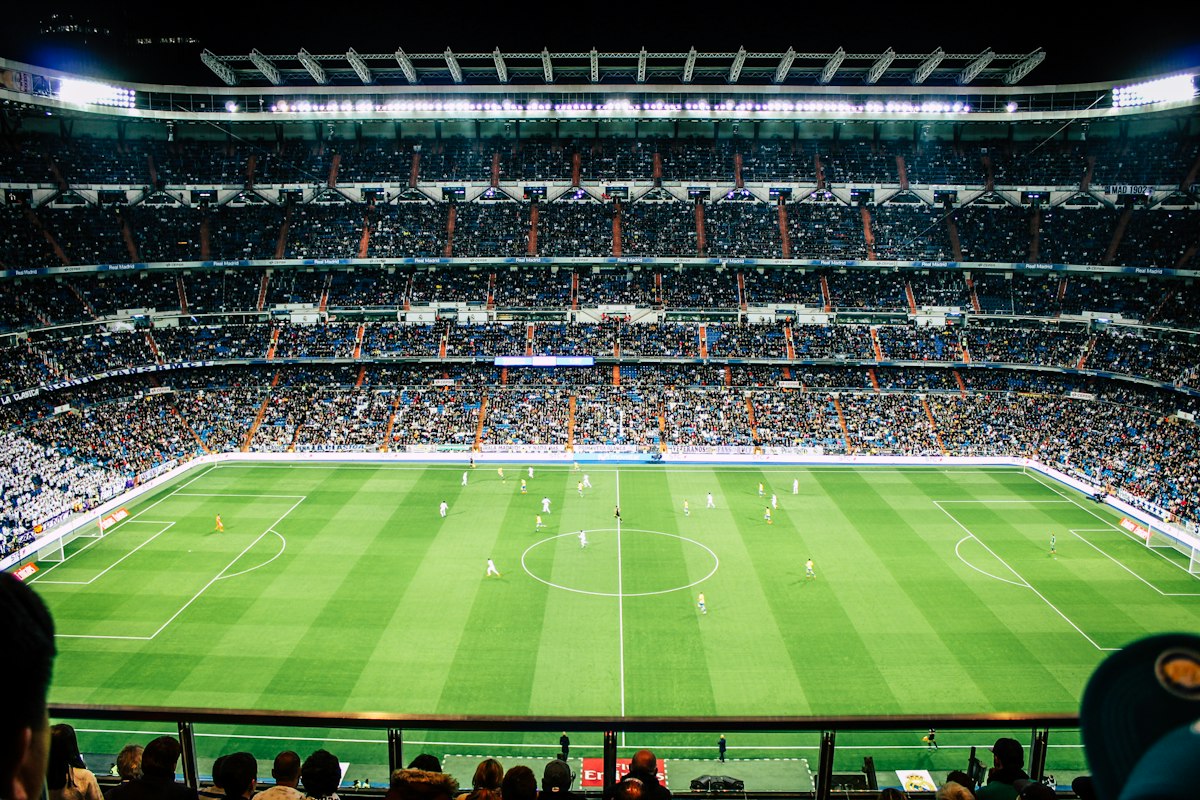
The high press and the low block are opposite answers to football's biggest defensive question. This beginner guide explains how each works, what triggers them, and how teams break a deep block down.

Archive: 2026
292 stories published in 2026
Expected goals and team ratings sound like magic, but football prediction models are really probability machines built from past matches. Here is how they turn shots and results into win chances β and where they reliably go wrong.
An inverted fullback steps into midfield while an overlapping fullback charges down the touchline. Here is what each role does, when managers choose one over the other, and why most top teams now mix both.
The 4-3-3 and the 4-2-3-1 look similar on a teamsheet but play very differently. Here is how each shape works in attack and defence, which players suit each system, and why managers switch between them.
The 3-5-2 packs the midfield and attacks with wing-backs, but it demands huge running from its wide players. Here is how the shape works, where it wins games, and where it gets exposed.
A false nine drops deep from the striker position, dragging centre-backs out of shape and creating space for runners. Here is how the role works, who made it famous, and when it fails.
Gegenpressing wins the ball back in seconds; positional play controls space until the opening appears. Here is how each philosophy works, what it demands from players, and why the best teams borrow from both.
Managers rarely say exactly what they mean in press conferences. Here is how to separate genuine team news from mind games, what repeated phrases reveal, and which clues actually predict the lineup.
Rotation frustrates fans when a star sits out, but it is usually about fatigue, injury prevention and matching players to opponents. Here is how managers decide who plays and who rests.
A sweeper keeper plays high up the pitch, sweeps behind the defence, and starts attacks with their feet. Here is how the role works, what it demands, and when it goes wrong.
A double pivot uses two holding midfielders to shield the defence, control tempo, and build attacks. Here is how the partnership works, the different types of pivot, and when it leaves a team short up front.
Zonal marking defends space at corners while man marking follows individual attackers. Here is how each system works, why the debate never ends, and how most teams now combine both.
A practical guide to offside rule explained beginners examples: what it means, how it works, common mistakes, and tips that actually help.
A practical guide to gegenpressing tactics explained beginners: what it means, how it works, common mistakes, and tips that actually help.
A practical guide to tiki taka vs counter attack tactics comparison: what it means, how it works, common mistakes, and tips that actually help.
A practical guide to football formations 4-3-3 vs 4-4-2 explained: what it means, how it works, common mistakes, and tips that actually help.
A practical guide to set piece tactics corners free kicks explained: what it means, how it works, common mistakes, and tips that actually help.
A practical guide to how to analyse football match xG stats beginners: what it means, how it works, common mistakes, and tips that actually help.
A practical guide to football pressing triggers explained coaches: what it means, how it works, common mistakes, and tips that actually help.
A practical guide to zonal vs man marking defending explained: what it means, how it works, common mistakes, and tips that actually help.
A practical guide to football substitutions five subs rule explained: what it means, how it works, common mistakes, and tips that actually help.
A practical guide to semi-automated offside technology how it works: what it means, how it works, common mistakes, and tips that actually help.
A low block is football's most misunderstood tactic: a deep, compact defensive shape that invites pressure and strikes on the counter. Learn how it works, why teams use it, and how it is beaten.
A mid block defends around the halfway line, balancing protection with counter-attacking threat. Learn how it differs from high presses and low blocks, and why most teams spend most matches in one.